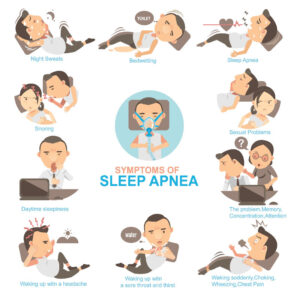
Sleep apnea, also spelled sleep apnoea, is a sleep disorder in which pauses in breathing or periods of shallow breathing during sleep occur more often than normal. Each pause can last for a few seconds to a few minutes and they happen many times a night. In the most common form, this follows loud snoring. There may be a choking or snorting sound as breathing resumes.
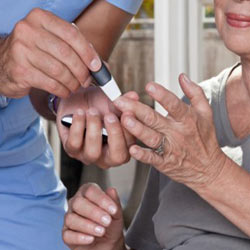
Because the disorder disrupts normal sleep, those affected may experience sleepiness or feel tired during the day. In children, it may cause hyperactivity or problems in school. People with sleep apnea have problems with excessive daytime sleepiness (EDS) and impaired alertness. OSA may increase risk for driving accidents and work-related accidents. If OSA is not treated, people are at increased risk of other health problems, such as diabetes.
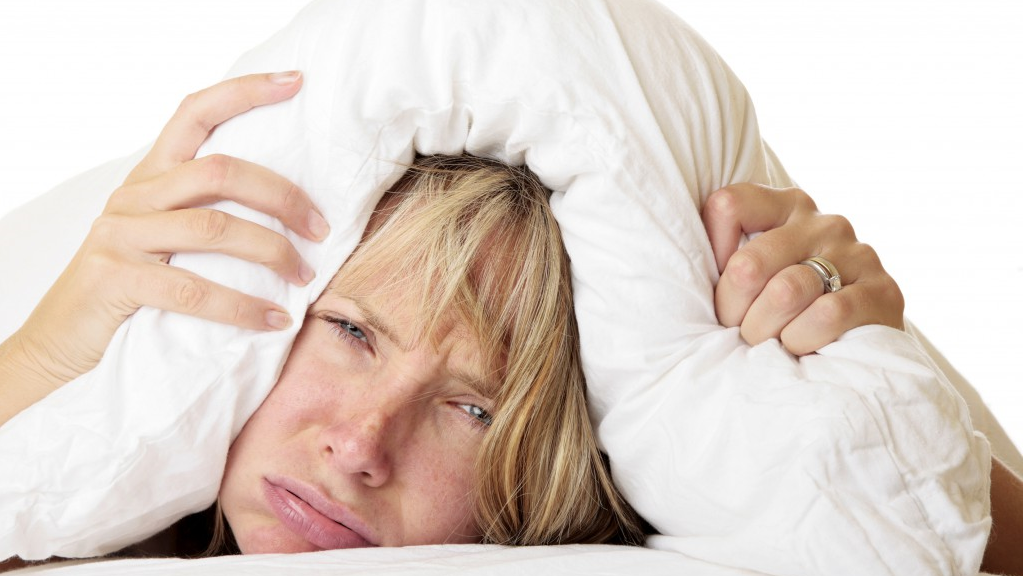
Due to the disruption in the daytime cognitive state, behavioral effects may be present. These can include moodiness, belligerence, as well as a decrease in attentiveness and energy. These effects may become intractable, leading to depression.
 Sleep apnea can affect people regardless of sex, race, or age. However, risk factors include:
- Being Male
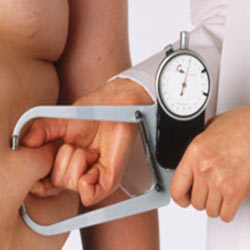
- Obesity
- Age Over 40
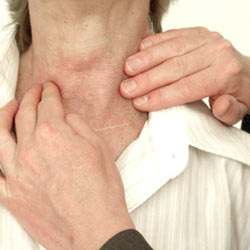
- Large Neck Circumference (greater than 16–17 inches)
- Enlarged Tonsils or Tongue
- Narrow Upper Jaw
- Nasal Congestion
- Allergies
- Receding Chin
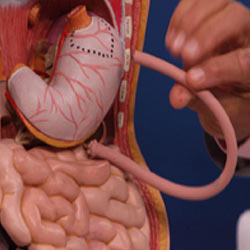
- Gastroesophageal Reflux
- A Family History of Sleep Apnea
Alcohol, sedatives and tranquilizers may also promote sleep apnea by relaxing throat muscles. People who smoke tobacco have sleep apnea at three times the rate of people who have never done so. There is increasing evidence that sleep apnea may lead to liver function impairment, particularly fatty liver diseases. The immediate effects of central sleep apnea on the body depend on how long the failure to breathe endures. In people with epilepsy, the hypoxia caused by apnea may trigger seizures that had previously been well controlled by medications.
In other words, a seizure disorder may become unstable in the presence of sleep apnea. In adults with coronary artery disease, a severe drop in blood oxygen level can cause angina, arrhythmias, or heart attacks (myocardial infarction). Longstanding recurrent episodes of apnea, over months and years, may cause an increase in carbon dioxide levels that can change the pH of the blood enough to cause a respiratory acidosis.

- Checkup
- Complete Care Guide
- Complete Nutritional Guide
- Self Sugar Monitoring Reviews
- Phone in time
- E-Mail & Whatsapp Support