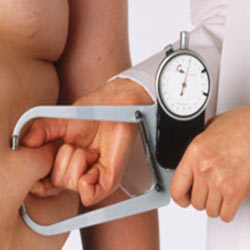
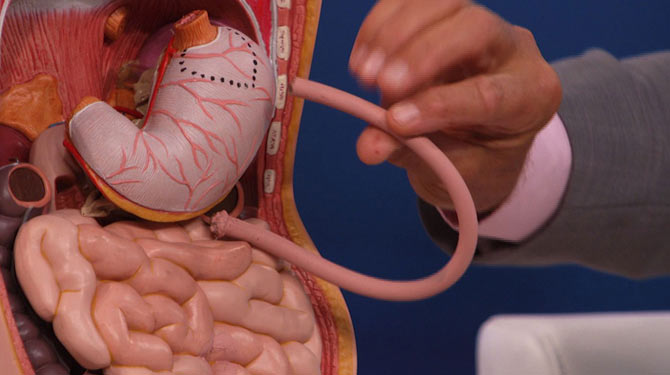
Bariatric surgery (or weight loss surgery) includes a variety of procedures performed on people who are obese. Long term weight loss through standard of care procedures (Roux en-Y bypass, sleeve gastrectomy, and biliopancreatic diversion with duodenal switch) is largely achieved by altering gut hormone levels that are responsible for hunger and satiety, leading to a new hormonal weight set point.
Bariatric surgery is a hormonal surgery in these procedures, for which the alteration in gut hormones develops as a result of the procedure’s restriction and malabsorption.Surgery should be considered as a treatment option for patients with a BMI of 40 kg/m2 or greater who instituted but failed an adequate exercise and diet program (with or without adjunctive drug therapy) and who present with obesity-related comorbid conditions, such as hypertension, impaired glucose tolerance, diabetes mellitus, hyperlipidemia, and obstructive sleep apnea.

- Checkup
- Complete Care Guide
- Complete Nutritional Guide
- Self Sugar Monitoring Reviews
- Phone in time
- E-Mail & Whatsapp Support