Type 1 diabetes results from the failure of the pancreas to produce enough insulin due to the loss of beta cells. This form was previously referred to as “insulin-dependent diabetes mellitus” (IDDM) or “juvenile diabetes”. The loss of beta cells is caused by an autoimmune response. The cause of this autoimmune response is unknown.
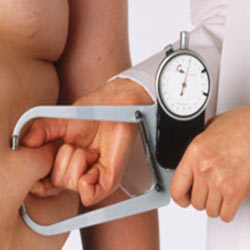
Type 2 diabetes begins with insulin resistance, a condition in which cells fail to respond to insulin properly. As the disease progresses, a lack of insulin may also develop. This form was previously referred to as “non-insulin-dependent diabetes mellitus” (NIDDM) or “adult-onset diabetes”.The most common cause is a combination of excessive body weight and insufficient exercise.
Gestational diabetes is the third main form and occurs when pregnant women without a previous history of diabetes develop high blood sugar levels.
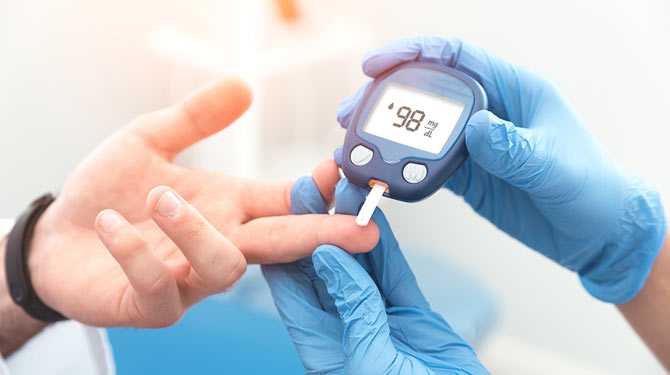
Type 1 diabetes must be managed with insulin injections. Prevention and treatment of type 2 diabetes involve maintaining a healthy diet, regular physical exercise, a normal body weight, and avoiding the use of tobacco. Type 2 diabetes may be treated with medications such as insulin sensitizers with or without insulin. Control of blood pressure and maintaining proper foot and eye care are important for people with the disease.
All forms of diabetes increase the risk of long-term complications. These typically develop after many years (10–20) but maybe the first symptom in those who have otherwise not received a diagnosis before that time. The major long-term complications relate to damage to blood vessels. Diabetes doubles the risk of cardiovascular disease and about 75% of deaths in people with diabetes are due to coronary artery disease Other macrovascular diseases include stroke and peripheral artery disease.
The primary complications of diabetes due to damage in small blood vessels include damage to the eyes, kidneys, and nerves. Damage to the eyes, known as diabetic retinopathy, is caused by damage to the blood vessels in the retina of the eye and can result in gradual vision loss and eventual blindness. Diabetes also increases the risk of having glaucoma, cataracts, and other eye problems. It is recommended that people with diabetes visit an eye doctor once a year.
Damage to the kidneys, known as diabetic nephropathy, can lead to tissue scarring, urine protein loss, and eventually chronic kidney disease, sometimes requiring dialysis or kidney transplantation. Damage to the nerves of the body, known as diabetic neuropathy, is the most common complication of diabetes. The symptoms can include numbness, tingling, pain, and altered pain sensation, which can lead to damage to the skin.
Diabetes-related foot problems (such as diabetic foot ulcers) may occur and can be difficult to treat, occasionally requiring amputation.