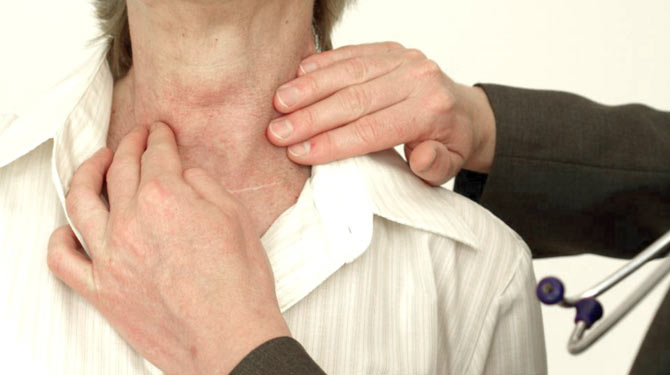
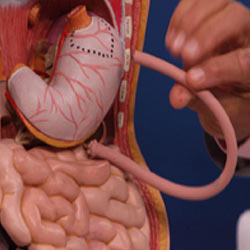
Thyroid diseases are highly prevalent worldwide and treatment varies based on the disorder. Levothyroxine is the mainstay of treatment for people with hypothyroidism, while people with hyperthyroidism caused by Graves’ disease can be managed with iodine therapy, antithyroid medication, or surgical removal of the thyroid gland. Thyroid surgery may also be performed to remove a thyroid nodule or to reduce the size of a goiter if it obstructs nearby structures or for cosmetic reasons.
There are five general types of thyroid disease, each with its own symptoms. A person may have one or several different types at the same time. The five groups are:
- Hypothyroidism (low function) is caused by not having enough free thyroid hormones
- Hyperthyroidism (high function) is caused by having too many free thyroid hormones
- Structural abnormalities, most commonly a goiter (enlargement of the thyroid gland)
- Tumors that can be benign (not cancerous) or cancerous
- Abnormal thyroid function tests without any clinical symptoms (subclinical hypothyroidism or subclinical hyperthyroidism)
Symptoms of the condition vary with type: hypo- vs. hyperthyroidism, which are further described below.
Possible symptoms of hypothyroidism are:
- Tiredness
- Unexplained weight gain
- Slow movement
- Muscle cramps
- Slow heart rate (bradycardia)
- Sensitivity to cold temperatures
- Constipation
- Depressed mood
- Memory difficulty
Possible symptoms of hyperthyroidism are:
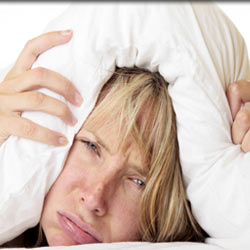
- Difficulty sleeping (insomnia)
- Unexplained weight loss
- Tremors
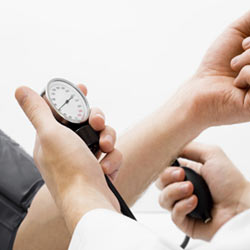
- Fast heart rate (tachycardia) or palpitations
- Sensitivity to hot temperatures, excess sweating
- Diarrhea
- Anxiety, irritability
Low function
Hypothyroidism is a state in which the body is not producing enough thyroid hormones, or is not able to respond to / utilize existing thyroid hormones properly. The main categories are:
- Thyroiditis: an inflammation of the thyroid gland
- Hashimoto’s thyroiditis / Hashimoto’s disease
- Ord’s thyroiditis
- Postpartum thyroiditis
- Silent thyroiditis
- Acute thyroiditis
- Riedel’s thyroiditis (the majority of cases do not affect thyroid function, but approximately 30% of cases lead to hypothyroidism)
- Iatrogenic hypothyroidism
- Postoperative hypothyroidism
- Medication- or radiation-induced hypothyroidism
- Thyroid hormone resistance
- Euthyroid sick syndrome
- Congenital hypothyroidism: a deficiency of thyroid hormone from birth, which untreated can lead to cretinism
High function
Exophthalmos is the eye-bulging that may be seen with Graves Disease, one of the major causes of hyperthyroidism
Hyperthyroidism is a state in which the body is producing too much thyroid hormone. The main hyperthyroid conditions are:
- Graves’ disease
- Toxic thyroid nodule
- Thyroid storm
- Toxic nodular struma (Plummer’s disease)
- Hashitoxicosis: transient hyperthyroidism that can occur in Hashimoto’s thyroiditis
Certain medications can have the unintended side effect of affecting thyroid function. While some medications can lead to significant hypothyroidism or hyperthyroidism and those at risk will need to be carefully monitored, some medications may affect thyroid hormone lab tests without causing any symptoms or clinical changes, and may not require treatment. The following medications have been linked to various forms of thyroid disease:
- Amiodarone (more commonly can lead to hypothyroidism, but can be associated with some types of hyperthyroidism)
- Lithium salts (hypothyroidism)
- Some types of interferon and IL-2 (thyroiditis) Glucocorticoids, dopamine agonists, and somatostatin analogs (block TSH, which can lead to hypothyroidism)