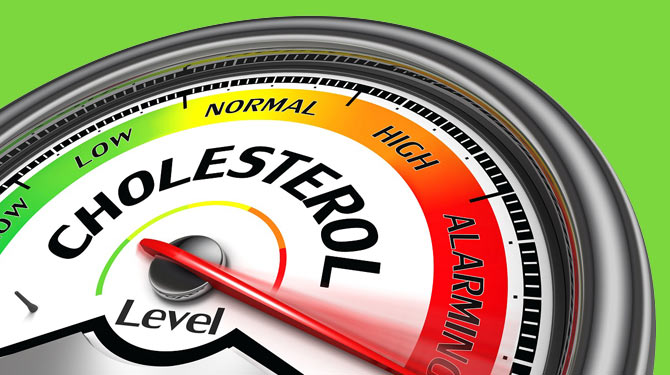
Hypercholesterolemia, also called high cholesterol, is the presence of high levels of cholesterol in the blood. It is a form of hyperlipidemia (high levels of lipids in the blood), hyperlipoproteinemia (high levels of lipoproteins in the blood), and dyslipidemia (any abnormalities of lipid and lipoprotein levels in the blood).
Elevated levels of non-HDL cholesterol and LDL in the blood may be a consequence of diet, obesity, inherited (genetic) diseases (such as LDL receptor mutations in familial hypercholesterolemia), or the presence of other diseases such as type 2 diabetes and an underactive thyroid. Although hypercholesterolemia itself is asymptomatic, longstanding elevation of serum cholesterol can lead to atherosclerosis. A sudden blockage of a coronary artery may result in a heart attack. A blockage of an artery supplying the brain can cause a stroke.

If the development of the stenosis or occlusion is gradual, the blood supply to the tissues and organs slowly diminishes until organ function becomes impaired. At this point tissue ischemia (restriction in blood supply) may manifest as specific symptoms.
For example, temporary ischemia of the brain (commonly referred to as a transient ischemic attack) may manifest as temporary loss of vision, dizziness and impairment of balance, difficulty speaking, weakness or numbness or tingling, usually on one side of the body. Insufficient blood supply to the heart may cause chest pain, and ischemia of the eye may manifest as transient visual loss in one eye.
Insufficient blood supply to the legs may manifest as calf pain when walking, while in the intestines it may present as abdominal pain after eating a meal. Hypercholesterolemia is typically due to a combination of environmental and genetic factors. Environmental factors include weight, diet, and stress. Loneliness is also a risk factor.
The U.S. Preventive Services Task Force in 2008 strongly recommends routine screening for men 35 years and older and women 45 years and older for lipid disorders and the treatment of abnormal lipids in people who are at increased risk of coronary heart disease. They also recommend routinely screening men aged 20 to 35 years and women aged 20 to 45 years if they have other risk factors for coronary heart disease.